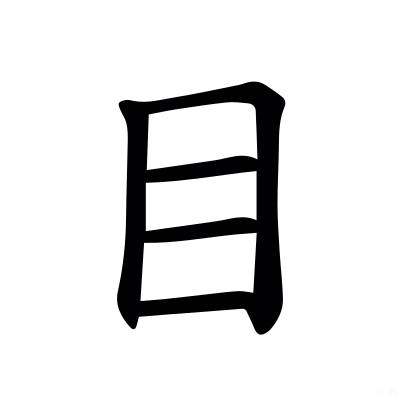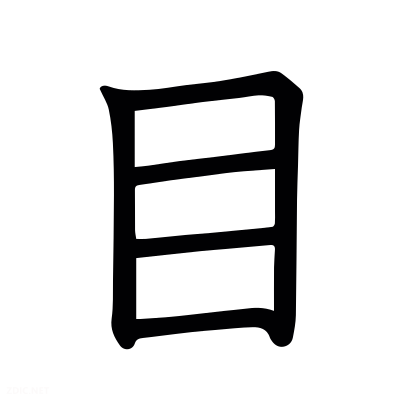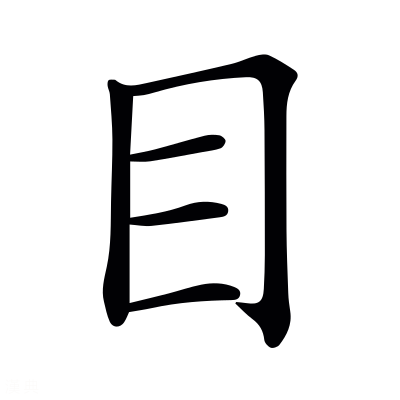
kān
to look after; to take care of
RADICAL #109
mù ㄇㄨˋ
As a character: eye; to look
Common radical name
目字旁 · mù zì páng
eye-character side
Select Next stroke to begin. Trace each highlighted stroke, then select Next again. After the final stroke, Next shows the complete character. Select Next once more to begin again.
Complete character · 5 strokes
01 · MEET THE RADICAL
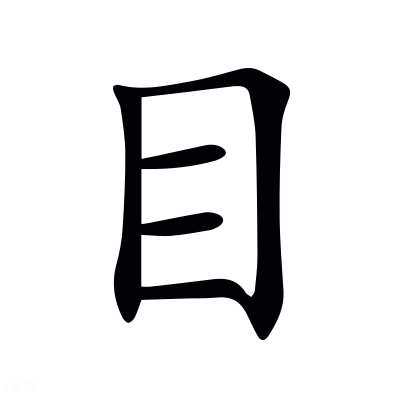
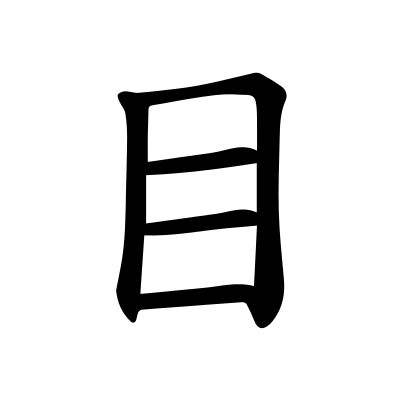
Start by remembering the shape 目 and its radical meaning, “eye.” Then compare it with the examples below. Look for the same shape, or a compact version of it, inside each character.
The pinyin above names this radical’s main form. Each example character has its own pronunciation and meaning. Use the radical as a memory aid, and learn the whole character too.
A radical can change shape to fit inside a character. Compare these forms with the main shape above; simplified and traditional writing can also use different forms.
02 · CONNECT SHAPE AND MEANING
Look for the shared component. Read each character’s pinyin aloud, then connect it to its English meaning. The connection may be less obvious in some characters.
to look after; to take care of
eye; (often used with 一) a look
to sleep; to lie down
blind
03 · TRY TO RECALL
Without looking back, can you remember this character’s pronunciation and meaning? Can you spot the radical or its variant?
kān · to look after; to take care of
Compare the character with 目 and its forms ⺫. If you missed it, revisit the examples and try again.
Next, trace the radical using the stroke guide above. Try writing it from memory, then check the shape and stroke order.
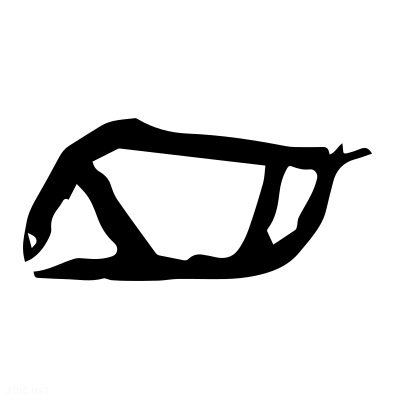
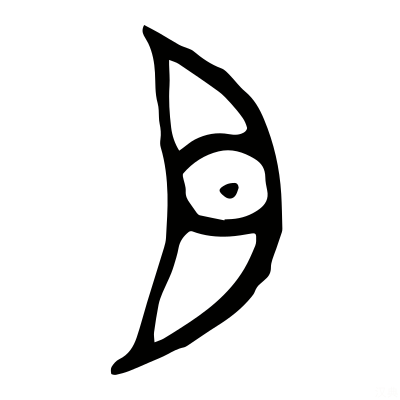
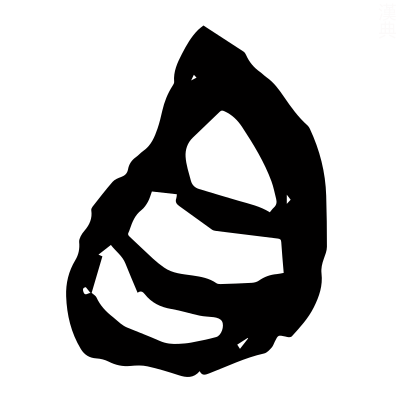
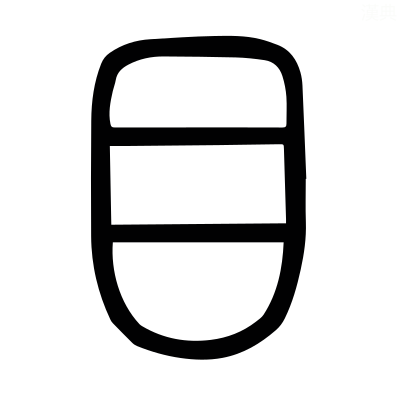
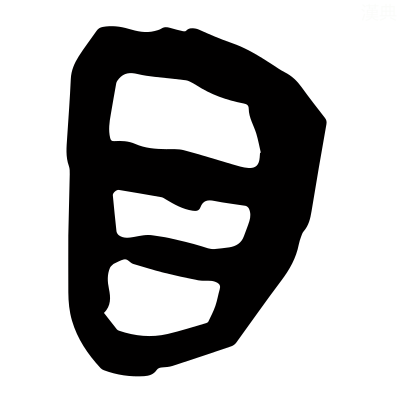
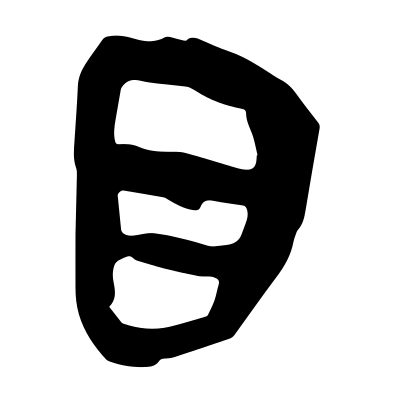
These reference details show how the radical has changed across time and writing traditions. You can return to them after learning the main form.